The short answer
Nocturia means waking at night to urinate. Overactive bladder is one specific cause of that — a bladder that signals urgency too early, day and night. About 70% of nocturia cases have nothing to do with an overactive bladder; the kidneys making too much urine overnight is the more common culprit.
Before you read on
Some links on this page are affiliate links, including the ones to FlowForce Max. If you buy through one, I earn a commission at no extra cost to you. It never changes what I write here, including the parts that aren't flattering.
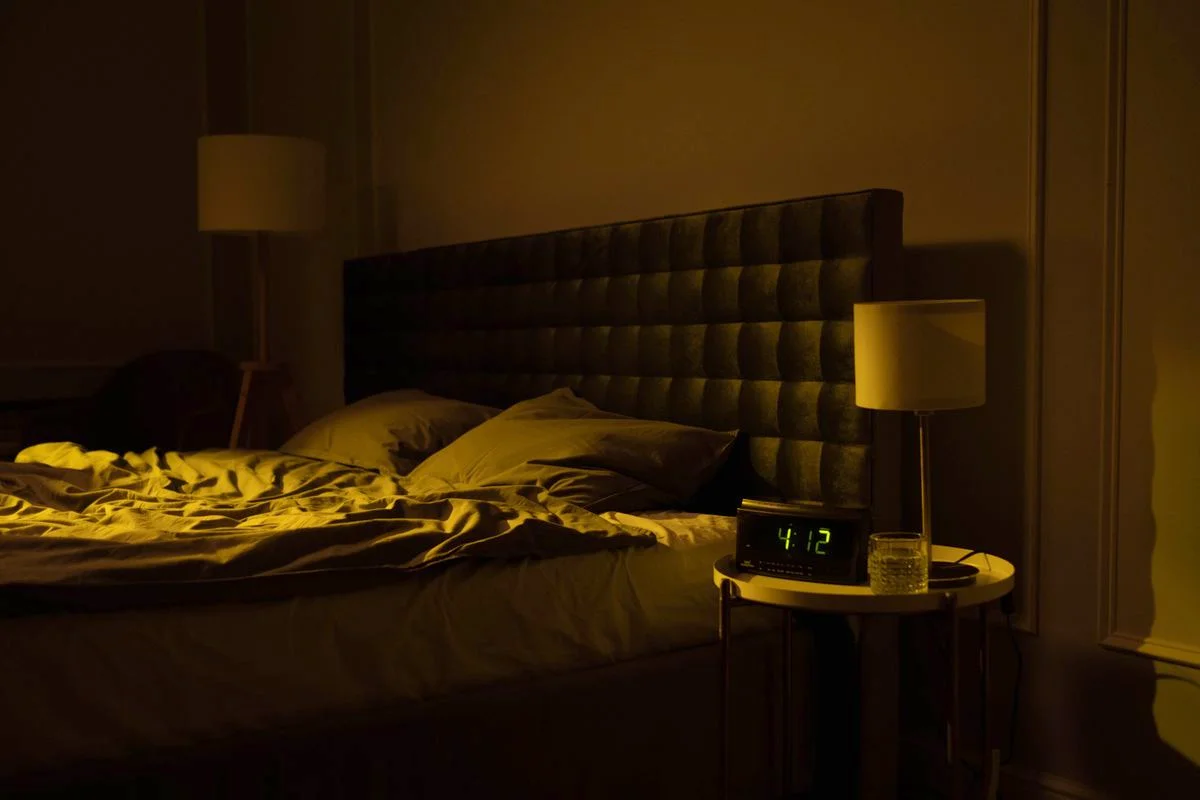
Two different problems can get you out of bed at 2 a.m., and only one of them is about the bladder losing patience.
A man wakes up twice a night, mentions it to his doctor, and gets handed a prescription for an overactive bladder. Six weeks later nothing has changed, because his bladder was never the problem. His kidneys were making more urine after dark than his bladder could hold — a completely different mechanism that no bladder medication touches.
That mix-up happens often enough that it shows up in the research: nocturia and overactive bladder overlap in some men, but most of the time they're separate conditions wearing the same symptom. Telling them apart takes more than noticing you're up at night. It takes knowing what's actually driving it.
What exactly is nocturia?
Nocturia is the medical term for waking up specifically to urinate, one or more times a night. The word "specifically" matters — if you wake up for another reason and use the bathroom while you're already up, that isn't nocturia. The urge has to be what breaks your sleep.
Waking once, occasionally, isn't unusual and isn't automatically a sign of anything. Doctors pay closer attention to a regular pattern of two or more trips a night, because that's the point where an underlying cause becomes more likely to be found. The full picture of what counts as normal for your age is covered in the main guide to waking up at night to urinate after 50.
Nocturia itself isn't a diagnosis. It's a symptom, and it can come from two very different places: a bladder that can't hold what it used to, or kidneys producing more urine overnight than they used to. Most men assume it's the first one. The research says the second is more common.
What exactly is overactive bladder?
Overactive bladder, usually shortened to OAB, is a specific syndrome built around one symptom: urgency. That means a sudden, strong need to urinate that's hard to postpone, showing up during the day as well as at night, usually along with going more often than normal and sometimes with leaking before you make it to the bathroom.
The word "overactive" describes the bladder muscle signaling the urge to contract before it's actually full. There's no infection, no obstruction, nothing else identifiable causing it — the storage system itself has become impatient. That's what separates it from a prostate problem, where the plumbing is being physically restricted further downstream.
OAB prevalence among U.S. men has been climbing. It rose from 11.3% of men in 2005–2008 to 14.5% in 2015–2020, according to a 2024 analysis of national health survey data. That's real growth, not just better diagnosis catching cases that were always there.
What actually separates the two?
Here's the number that reframes the whole question: only about 30% of people who report nocturia also have overactive bladder. The other 70% are waking up for a reason that has nothing to do with bladder urgency.
Roughly three in ten people who report nocturia also have overactive bladder as an identifiable cause. For the rest, the trigger sits somewhere else entirely — most often the kidneys, not the bladder. Source: Nocturia: Evaluation and Current Management Strategies, Reviews in Urology
The other major cause is nocturnal polyuria — the kidneys shifting too much of the day's urine production into the hours you're supposed to be sleeping through. Clinically, that's defined as somewhere between 20% and 33% of your total 24-hour urine output happening at night, depending on which threshold a given study uses. Same list of symptoms as OAB. Completely different plumbing.
A third possibility is a bladder that simply can't hold as much as it used to, not because it's overactive, but because something downstream, like an enlarged prostate, is stopping it from ever fully emptying. It starts every night already partly full. That's a capacity problem, not an urgency problem, and it's covered in more detail in what causes a weak urine stream after 50.
Can you have nocturia without an overactive bladder?
Yes, and going by the numbers above, it's the more likely scenario, not the exception.
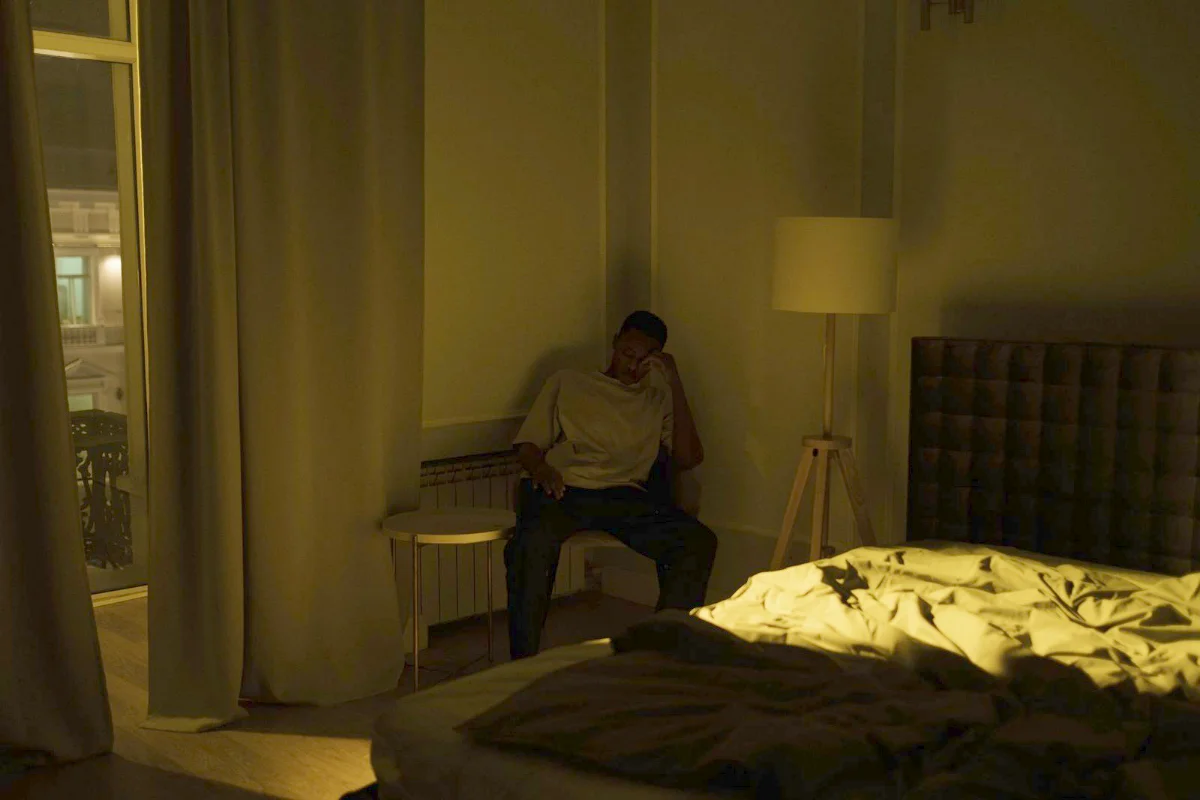
My father-in-law was the textbook version of this. He could sit through a two-hour family lunch without a single bathroom trip. No urgency, no accidents, nothing by day that anyone would call an overactive bladder. Night was a different story — two, sometimes three trips, every single night for years. Nobody clocked it as unusual until it had progressed well past "just getting older."
What he had was a mix of an enlarged prostate narrowing the outlet and, almost certainly, some degree of nocturnal polyuria layered on top — the age-related flattening of the hormone rhythm that normally concentrates urine overnight, which I go into more in the piece on what to stop drinking before bed. None of it involved his bladder deciding to contract early. It was volume and obstruction, not urgency.
How can you tell which one you actually have?
Not by guessing from the symptom alone — both conditions get you to the bathroom at 2 a.m. What separates them shows up in a bladder diary: two to three days of writing down the time and approximate volume of every trip, day and night, plus any urgency or leaking.
- Urgency during the day, not just at night — a sudden, hard-to-postpone urge that shows up before lunch too, points toward overactive bladder.
- Fine all day, large volumes only at night — points toward nocturnal polyuria, a kidney-timing issue rather than a bladder one.
- Frequent, small amounts, weak stream, day and night — points toward a blocked outlet, often an enlarged prostate. The pattern is laid out in 7 early signs of an enlarged prostate.
- Blood, fever, pain, or an inability to urinate at all — skip the diary and call a doctor the same day.
A filled-in diary is the single most useful thing you can hand a doctor. It's usually the first thing a urologist asks for anyway, so arriving with three days already recorded skips a step and gets you to the right treatment faster.
Where a supplement fits — and where it doesn't
Most prostate supplements, including FlowForce Max, are built around ingredients like saw palmetto, nettle root and zinc, aimed at the prostate side of the equation — a gland that's physically narrowing the outlet.
See the official FlowForce Max page →
If you buy through this link I receive a commission at no additional cost to you.
What else gets mistaken for nocturia or overactive bladder?
Several conditions produce the exact same complaint — up at night, bathroom, repeat — without either the bladder or the prostate being the root cause.
Undiagnosed sleep apnea. Loud snoring with pauses in breathing is linked to nocturia in a large share of cases, and treating the apnea often reduces nighttime trips more than any bladder or prostate treatment does.
A urinary tract infection. UTIs cause sudden urgency and frequency that can look exactly like OAB, but they come with burning, cloudy urine, or fever, and they clear up with antibiotics rather than a permanent bladder treatment.
Uncontrolled diabetes. High blood sugar pulls extra fluid into the urine around the clock, not just overnight. If nighttime trips are one part of a bigger pattern of excess thirst and daytime urination too, that's worth ruling out first.
Heart failure or leg swelling. Fluid that pools in the legs during the day returns to circulation once you lie down, and the kidneys process it overnight. That's a circulation issue wearing a bladder symptom.
Medication timing. Diuretics prescribed for blood pressure are often meant to be taken in the morning for exactly this reason. It's worth asking whether the timing of any of your prescriptions could move earlier in the day.
The National Institute of Diabetes and Digestive and Kidney Diseases lists several of these overlapping causes, which is part of why a doctor works through them in order rather than starting treatment based on the symptom alone.

Why does the difference actually change treatment?
Because the two main treatment paths pull in opposite directions, and using the wrong one wastes time at best.
Overactive bladder treatment — bladder training, timed voiding, and medications that calm an overactive bladder muscle — targets urgency. None of it slows down kidneys that are producing too much urine at night, so a man with nocturnal polyuria who tries OAB medication for six weeks often ends up with side effects and the same number of trips.
Nocturnal polyuria treatment works on fluid timing and, in some cases, medication that reduces nighttime urine production, which is inappropriate for someone whose real problem is fluid overload from heart failure, or who actually has obstruction from an enlarged prostate that needs its own approach, covered in what actually helps a weak urine stream.
This is the entire argument for the diary over guessing. Two men with the identical complaint — three trips a night — can need completely different treatments, and the diary is what tells a doctor which one they're looking at.
When should you see a doctor about this?
Give a two-week bladder diary and simple timing changes a fair try first. Book an appointment sooner if any of the following show up.
- Trips that keep increasing despite tracking and timing changes.
- Daytime urgency strong enough to cause leaking before you reach the bathroom.
- Blood in the urine, fever, or pain when urinating.
- Swollen ankles paired with loud snoring — worth mentioning both together.
- You cannot urinate at all while your bladder feels full. That needs same-day care.
Left alone, the underlying cause doesn't hold still. My father-in-law's version of this eventually moved from nighttime trips toward the progression to incontinence nobody in the family had been warned about. The starting point for that conversation with a doctor is laid out in the main guide's section on seeing a urologist.
Once you know which one you're dealing with
If a doctor has confirmed the prostate is part of the picture, FlowForce Max is the supplement I reviewed ingredient by ingredient, including the cost and the refund policy.
See the official FlowForce Max page →
Affiliate link. I earn a commission at no extra cost to you. Not medical advice, and not a replacement for seeing a doctor.
Frequently asked questions
Can you have both nocturia and overactive bladder at the same time?
Yes. About 30% of people with nocturia also have overactive bladder, and in that group the two overlap rather than compete. It's still worth tracking a bladder diary, because a mixed case often needs a combination approach rather than treatment aimed at just one.
Does an enlarged prostate cause overactive bladder?
An enlarged prostate can trigger urgency symptoms that look like overactive bladder even when the bladder itself isn't the primary problem. The obstruction downstream makes the bladder work harder and can make it more irritable over time, which is why doctors check the prostate before treating urgency as a standalone bladder condition.
How many nighttime bathroom trips counts as nocturia?
Clinically, waking to urinate even once counts. In practice, doctors pay closer attention once it becomes a regular pattern of two or more trips a night, since that's the point where an underlying cause is more likely and worth investigating.
Is nocturia always caused by nocturnal polyuria?
No. Nocturnal polyuria is the most common single cause, but overactive bladder and a bladder that can't fully empty because of an obstruction are both real alternatives, and some men have more than one factor working at once.
Can a prostate supplement like FlowForce Max treat overactive bladder?
No, and it shouldn't be marketed that way. Its ingredients target the prostate and urinary tract, not the bladder muscle's urgency signal. If a bladder diary points toward true overactive bladder, that calls for a conversation with a doctor, not a supplement aimed at the prostate.

Why I write about this
Carla S.
I'm not a doctor and I won't pretend to be. I write about prostate health because I helped care for my father-in-law through years of it, sat in on the appointments, and read everything I could find while we worked out what was actually happening.
What I try to do here is separate the advice that has research behind it from the advice that gets repeated because it sounds sensible. More about why I started this site.
Medical disclaimer: I am not a physician, nurse, or licensed health professional. Nothing here is medical advice or a diagnosis. Always consult a doctor or urologist about your own symptoms, and before changing any prescribed medication or its timing.